From Tragedy to Triumph: A Look Back at The Jacksons’ 1980 R&B Chart-Topper
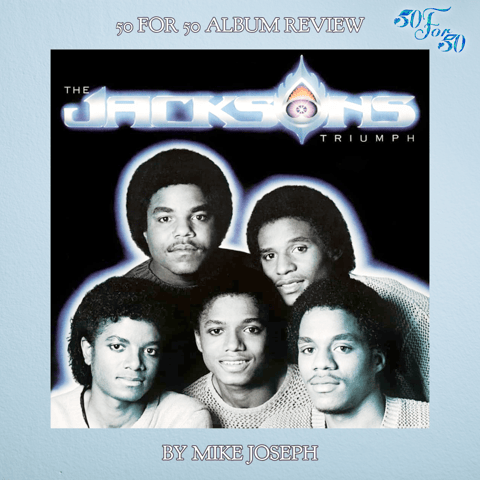
Michael Jackson is widely regarded as one of, if not the greatest pop stars of all-time. The Motown-era Jackson Five are acclaimed as the granddaddy of the modern boy band. However, the average music fan assumes that the Jackson brothers left Motown and then Michael became the supernova who ruled the ‘80s and ‘90s without considering the body of work adult MJ made with his brothers as The Jacksons. Triumph, in particular, is an integral part of Michael’s history (or HIStory), especially considering it was the album that was released between Off the Wall and Thriller.
Let’s backtrack a bit. The Jacksons’ previous album, 1978's Destiny, pulled them out of a commercial slump and set the stage for Off the Wall. It was the first album to feature significant writing and production by the brothers, and hits like “Blame it on the Boogie” and “Shake Your Body (Down to the Ground)” set radio waves and dance floors on fire. The former child stars had become critically acclaimed, commercially viable adults, and after a lengthy tour, they returned to the studio to build on their renewed success.
The release of Triumph was delayed initially when Off the Wall outperformed expectations, then was delayed again when a car accident almost claimed the life of Randy, the youngest Jackson brother. Originally told that his legs needed to be amputated following the accident, Randy learned to walk again within months, and was playing instruments and dancing onstage 18 months after the accident took place. That sense of accomplishment and perseverance informs the album title in addition to the anthemic opening track, “Can You Feel It.” It’s no coincidence that the first voice you hear on Triumph belongs to Randy.
While Michael was always the primary lead vocalist of the family group, Triumph actually turns out to be more of a diplomatic vocal effort than the brothers’ previous albums on Epic. Marlon shares the mic with Mike (ha!) on the breezy, doo-wop flavored “Give It Up,' while eldest brother Jackie takes the reigns for “Wondering Who,” a danceable bop. Despite the slightly more egalitarian approach, though, Michael is still very much a presence. And riding high off of four top 10 solo singles and a Grammy win, Michael’s presence loomed large.
My favorite Triumph track, “Heartbreak Hotel,' is essentially a Michael solo record. He wrote it alone, and musically and lyrically, it points the way towards a sound that he perfected with songs like “Billie Jean." It marked the introduction of themes that would recur throughout Michael’s solo career (paranoia, revenge, a distrust of the opposite sex) and proved that Michael had learned much studying at the feet of Quincy Jones. Other songs on the album, including “Lovely One” and “Everybody,” are efforts to emulate the sound of Off the Wall to solid effect.
Triumph continued the brothers' critical and commercial success. It sent the brothers to the Number One slot on Billboard’s R&B charts for the first time since the early Seventies, earning the group their only Grammy nomination as The Jacksons, and spawning a tour that ran through the summer of 1981. Not too long after the tour ended, Michael went into the studio with Quincy to begin recording the album that would eventually become Thriller. That album changed the course of Michael’s career, changed the dynamic of The Jacksons (the group and the family), and changed the course of popular music. And while Triumph will always live in that shadow, it really deserves to be heard and appreciated in its own right.
Author and Podcaster
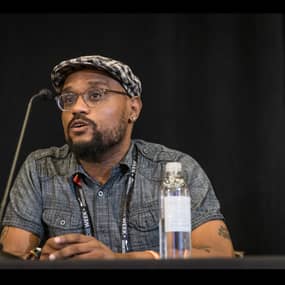
Mike Joseph has been a music obsessive almost his whole life. The New York native was honored by Billboard Magazine in 2020 as a "Pride Power Player", celebrating a career in the music industry that's lasted over three decades. Mike has also worked as a music journalist, a radio announcer, and since 2020 has produced and hosted the podcast "Detoxicity", which shines a light on men's mental health.
LL Cool J’s ‘The FORCE’ Review: A Definitive Return to Form