More Than Just 'Truly': Why Lionel Richie’s Debut Matters in the Year of Thriller
1982 was a transformative year for music in many ways. The second British Invasion exploded, thanks to new, fresh acts like The Human League, Yazoo and Duran Duran. Rap music planted its flag with two era-defining singles, “The Message” and “Planet Rock”. Prince’s album “1999” became his pop breakthrough. Janet Jackson made her debut. Her big brother Michael released Thriller, which would go on to become the best selling album of all time.
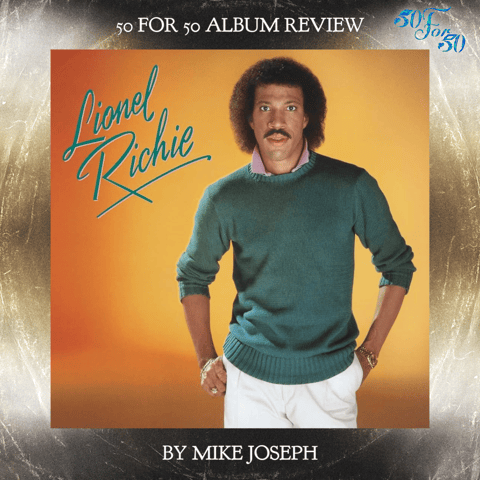
Somewhere in the midst of that, Lionel Richie released his self-titled debut solo album. When considered against the backdrop of British techno-pop and hip-hop, you might be tempted to shrug. Where does Lionel Richie fit in? The answer, as it has been for him throughout his Hall of Fame-worthy solo career, is right in the middle of the road.
A decade prior to making his solo debut, Lionel was a member of the Motown funk band The Commodores. He wasn’t even the main attraction. The Commodores were truly a committee, and Lionel sang some lead vocals and played the sax. As the Seventies progressed, the committee began to fragment. Lionel developed a knack for simple, poignant ballads that led the band to chart glory over and over again. “Just to Be Close to You”, “Easy” and “Still” were just a few of the Richie-penned songs that inched him ever closer to being The Commodores’ focal point.
In 1980, Richie was called upon to write and produce a song for Kenny Rogers. That song, “Lady,” became an across-the-board smash. A year later, he stepped out to write and produce a duet with Diana Ross for the film “Endless Love.” That song spent more than two months at the top of the pop charts and was nominated for an Oscar. While the idea of just being “one of the Commodores” probably sounded nice, there was no way that was gonna work in the real world. Lionel had to step away.
The resulting album is about what you’d expect a collection of simple, poignant, easy-to-digest songs would sound like in 1982. Lionel Richie sanded off The Commodores’ funky edges and left a gleaming 9 tracks of adult contemporary pop (with a slightly soulful edge) in its wake. If I was to consider any album of the era to be contemporaneous, it would be If That’s What It Takes, itself the debut solo album from an artist who’d clearly outgrown the band he was in; in this case, Michael McDonald of The Doobie Brothers.
To keep it real with you all, I greatly prefer the Commodores’ ballads to Lionel’s solo slow jams. Don’t even ask me about “Hello." “Truly” (the album’s Grammy winning first single) and “You Mean More To Me” leave me with the impression that they were composed intentionally to capture some of that “Endless Love” magic. They’re catchy, but I don’t feel anything when I hear them. The mid-tempo selections like album opener “Serves You Right” (which would not have sounded out of place on Thriller) and the smash single “You Are” are more appealing to me. Not to say Lionel didn’t totally lose his feel for the wedding anthem. “My Love” is a winner, thanks to its country-ish feel and background vocals by Kenny Rogers. My favorite track, though, is the dramatic “Wandering Stranger”. It’s as challenging a composition as a people-pleaser like Lionel would release as a solo artist, with a symphonic sweep and a full-on guitar solo.
Did Lionel Richie change the way I thought about music (then or now)? No. I can’t possibly imagine it had that effect on anyone. Please correct me if I’m wrong here. However, music doesn’t have to be envelope-pushing to be enjoyable. Lionel’s debut (and most of his catalog if we’re keeping it real) is a master class in pop singing and songwriting that proved he had what it took to make it on his own.
Author and Podcaster
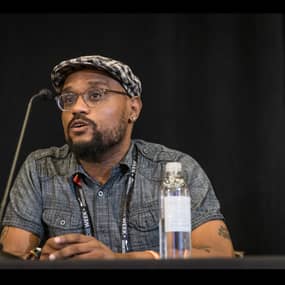
Mike Joseph has been a music obsessive almost his whole life. The New York native was honored by Billboard Magazine in 2020 as a "Pride Power Player", celebrating a career in the music industry that's lasted over three decades. Mike has also worked as a music journalist, a radio announcer, and since 2020 has produced and hosted the podcast "Detoxicity", which shines a light on men's mental health.
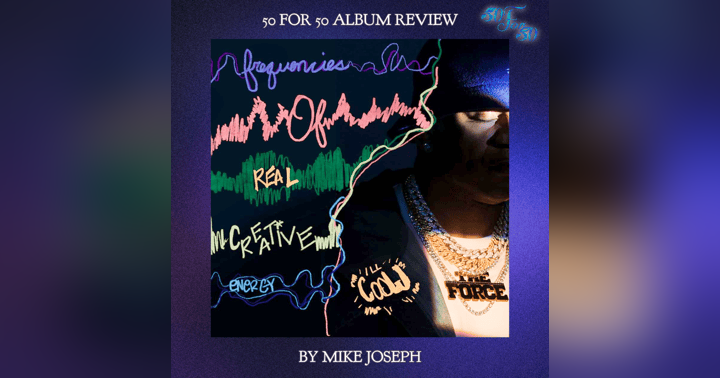
LL Cool J’s ‘The FORCE’ Review: A Definitive Return to Form