The Commercial Peak of Pop Rap: A Review of MC Hammer’s Sophomore Effort
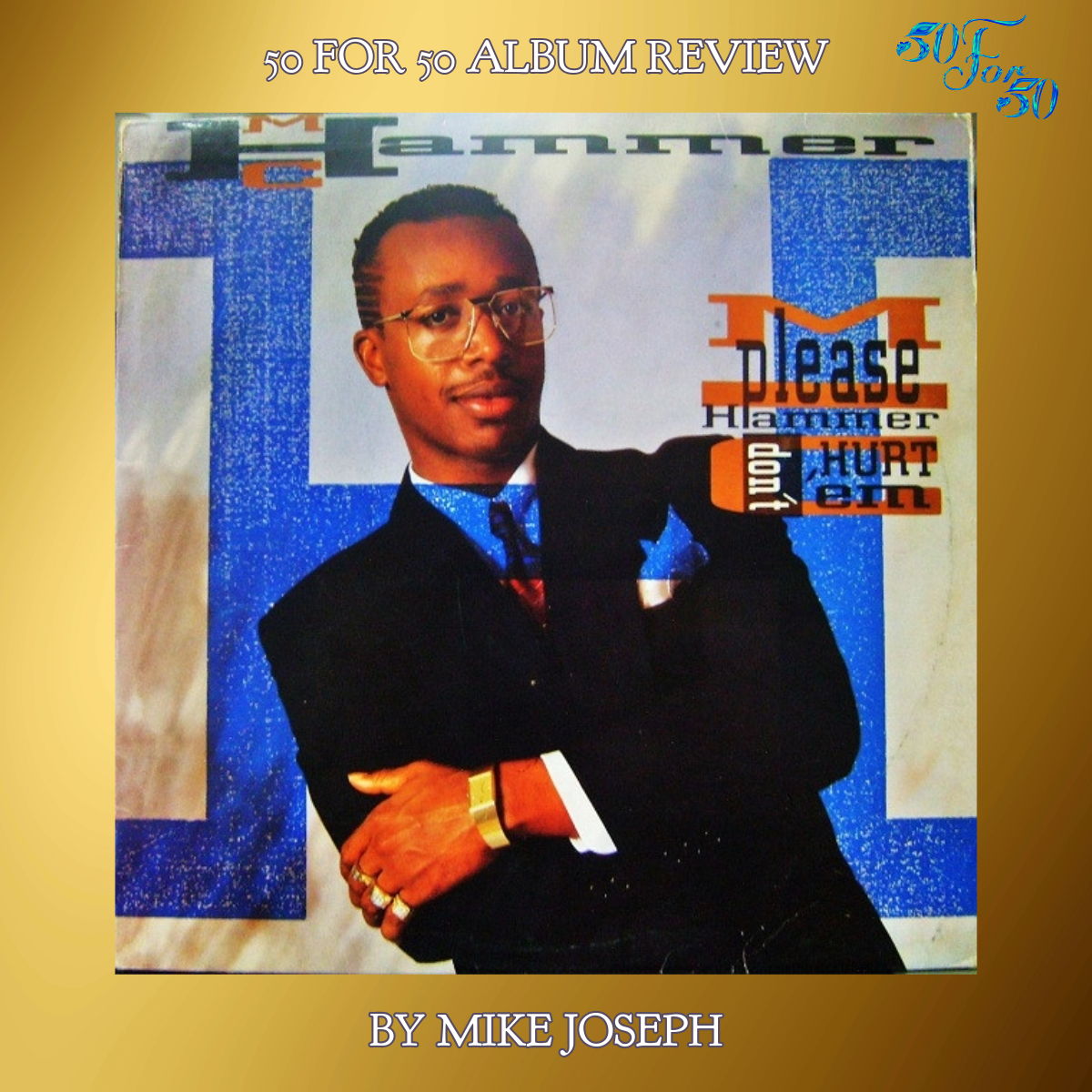
The modern day rap fan doesn’t know MC Hammer from Armie Hammer, and that makes me simultaneously happy and sad. The Bay Area-based rapper was the first all caps POP ICON of hip-hop. His sophomore effort, 1990’s Please Hammer Don’t Hurt ‘em spent the entire summer of 1990 at Number One on the album chart, and most of the fall too, on its way to Diamond certification (one of a dozen or so albums to reach this milestone ever). The album’s best-known single “U Can’t Touch This,” would’ve been the first rap record to top the Hot 100 had it actually been released as a cassette or CD single (available in limited quantities as a 12” vinyl single, it still hit Number Eight). It’s clearly a cultural and commercial milestone. It’s also not a very good record.
While it may be hard for some folks to remember a time when integrity and hip-hop were synonymous, let’s time travel back to 1990. Rap was still making inroads into pop culture, and any music that felt like it was playing too close to Middle America or felt too safe was eyed warily by its core audience and most of its artists. Hammer, whose music often relied on obvious samples and who dared to smile in his videos, was looked at with particular derision. Even before Please Hammer catapulted him to worldwide stardom, he’d been the subject of dis records by LL Cool J and 3rd Bass. In 2026, the average hip-hop fan side eyes you if you don’t go Platinum (unless you’re one of those backpacker snobs). How the tides have turned.
Successful or not, the reality is that (and this is damn near objective) Hammer is not a particularly skilled emcee. His records sold largely because of the charisma that became evident as soon as folks saw Hammer dance. There’s also the fact that, in an era when production teams like The Bomb Squad and Prince Paul were using sampling technology in unique ways, Please Hammer Don’t Hurt ‘Em (a mostly self-produced affair), relied on lazy beat jacking. “U Can’t Touch This” lifts Rick James’ “Super Freak” (the same way his previous album’s title track, “Let’s Get It Started” borrowed “Give it to Me Baby” from the same Rick James album). “She’s Soft and Wet” is one of two songs that raids the Prince catalog. “Have You Seen Her?” and “Dancin’ Machine”...well, you get the picture. Even if you wanna give Hammer points for his positive messages, it’s hard to get past the fact that “Pray” and “Help the Children” (my two favorite songs on the album) lean heavily on “When Doves Cry” and Marvin Gaye’s “Mercy Mercy Me,” respectively.
This might be the only one of the fifty albums Garrett and I discuss that I would 100% like to never hear again. Even at the height of its popularity, Please Hammer was an album I listened to more out of curiosity than out of an affinity for the music. And trust me, I had no artistic integrity at that time. I owned the Vanilla Ice album and both Marky Mark albums (all three are arguably better, and it pains me to write that). So while Hammer gets props for expanding the scope of hip-hop, that’s about the only nice thing I can say about it.
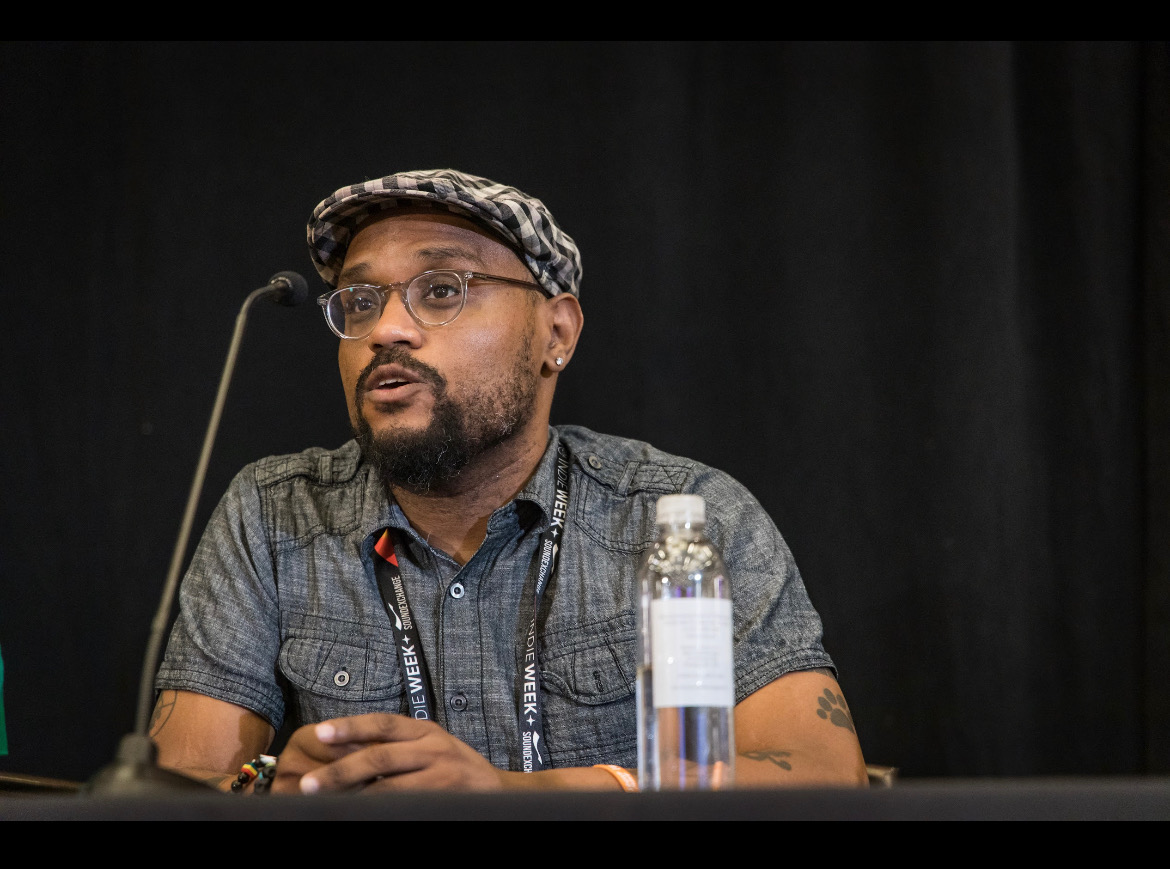
Author and Podcaster
Mike Joseph has been a music obsessive almost his whole life. The New York native was honored by Billboard Magazine in 2020 as a "Pride Power Player", celebrating a career in the music industry that's lasted over three decades. Mike has also worked as a music journalist, a radio announcer, and since 2020 has produced and hosted the podcast "Detoxicity", which shines a light on men's mental health.
The Ultimate Beastie Boys Playlist for Spotify & Apple Music