How Alicia Keys Conquered the Sophomore Jinx with 'The Diary'
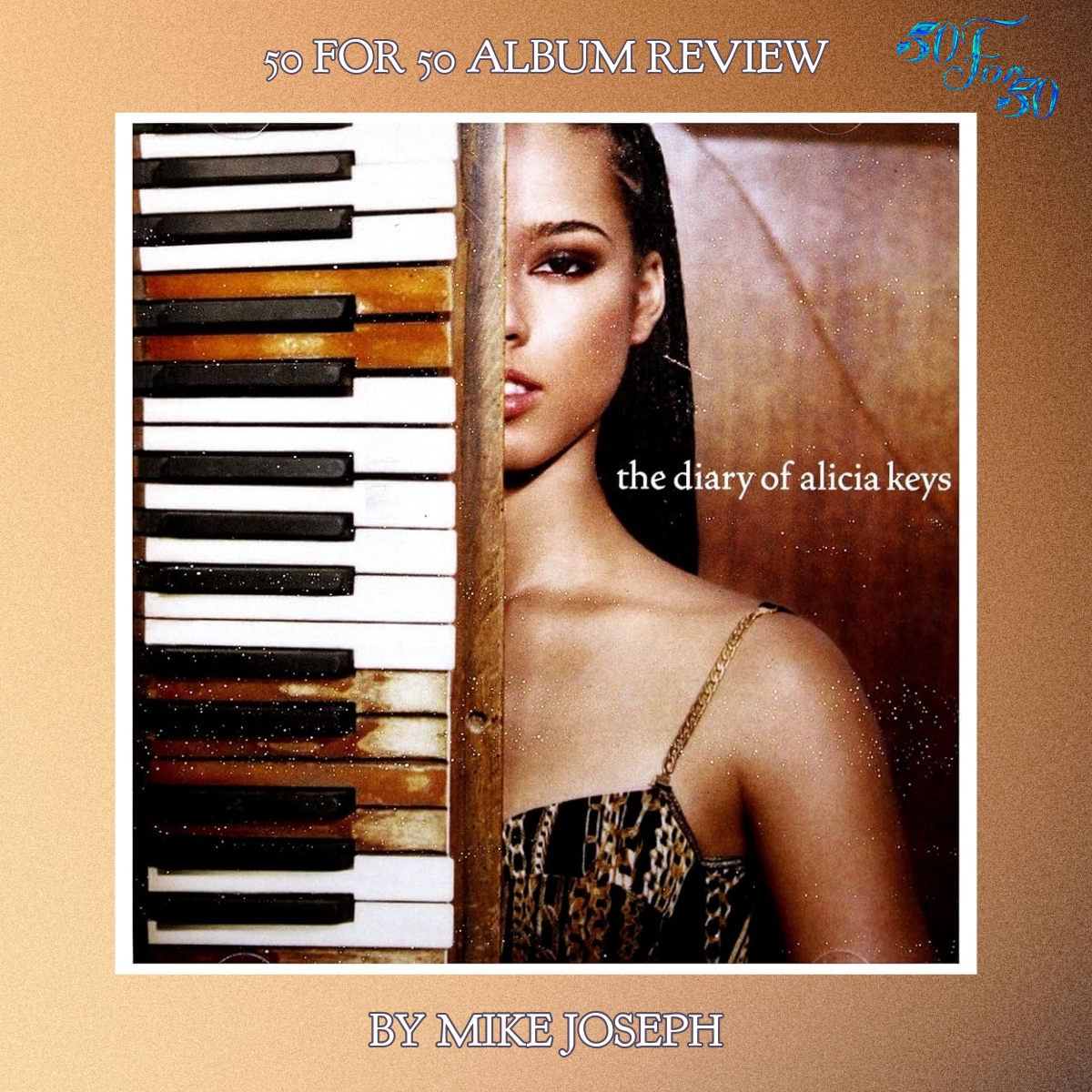
The sophomore jinx is real, y’all. Artists have their entire lives to create their debut, and often just a year or two to create a second album. The light shines brighter on you if your debut is a success. The eyes of the public are staring deeply into you, wondering if you will capitalize on the momentum of your initial success or fall flat on your face.
This was the situation Alicia Keys found herself in following the enormous success of 2001’s Songs In A Minor. That album was a smash by everyone’s estimation, winning the young singer/songwriter/pianist a host of Grammy Awards, critical acclaim and millions in record sales. Alicia, born and raised in NYC and involved with the arts since she was a toddler, was hailed as a generational talent. Someone who took the songwriting and playing chops of Carole King and Roberta Flack and gave them a hip-hop edge. The stakes were high for The Diary of Alicia Keys, an album that arrived on record store shelves over two years after her debut. In my opinion (and the public’s), those stakes were met-mostly.
A few songs on Diary sound like fuller, more mature versions of the material Alicia and her collaborators created on Songs in A Minor. It feels like Alicia’s more comfortable with her voice. She’s not afraid to full-on belt like on “If I Ain’t Got You” (the album’s most enduring track), but she can also shade a song with subtlety, as she does with “Diary,” on which she’s joined by vocal foil Jermaine Paul and the non-Saadiq members of Tony! Toni! Toné! The album’s other collaborators provide some welcome left turns. Easy Mo Bee repurposes the beat he created for The Notorious B.I.G.’s “Warning” for Alicia’s otherwise faithful cover of Gladys Knight’s “If I Were Your Woman.” The funky “Heartburn,” co-created with Timbaland, goes for a full-on Blaxploitation vibe, while “You Don’t Know My Name” keeps with the retro theme, complete with a spoken word breakdown mid-song in the form of a phone call. Even in the most vulnerable of lyrical situations, Alicia still carries herself with a palpable confidence and swagger.
That confidence and swagger doesn’t translate through to the end of Alicia’s Diary, though. The final third of the album is bogged down by lyricism that’s either lazy (“When You Love Someone”) or embarrassing (“Samsonite Man”). Had Diary been released a decade later, without the need to pad an album to fit the running time of a CD, it could’ve been a tight 10 song all killer/no filler exhibit of Alicia’s considerable skills as a vocalist and instrumentalist. As it exists, it’s still a solid showcase of pop-flavored music, and a clear conquering of the dreaded sophomore jinx.
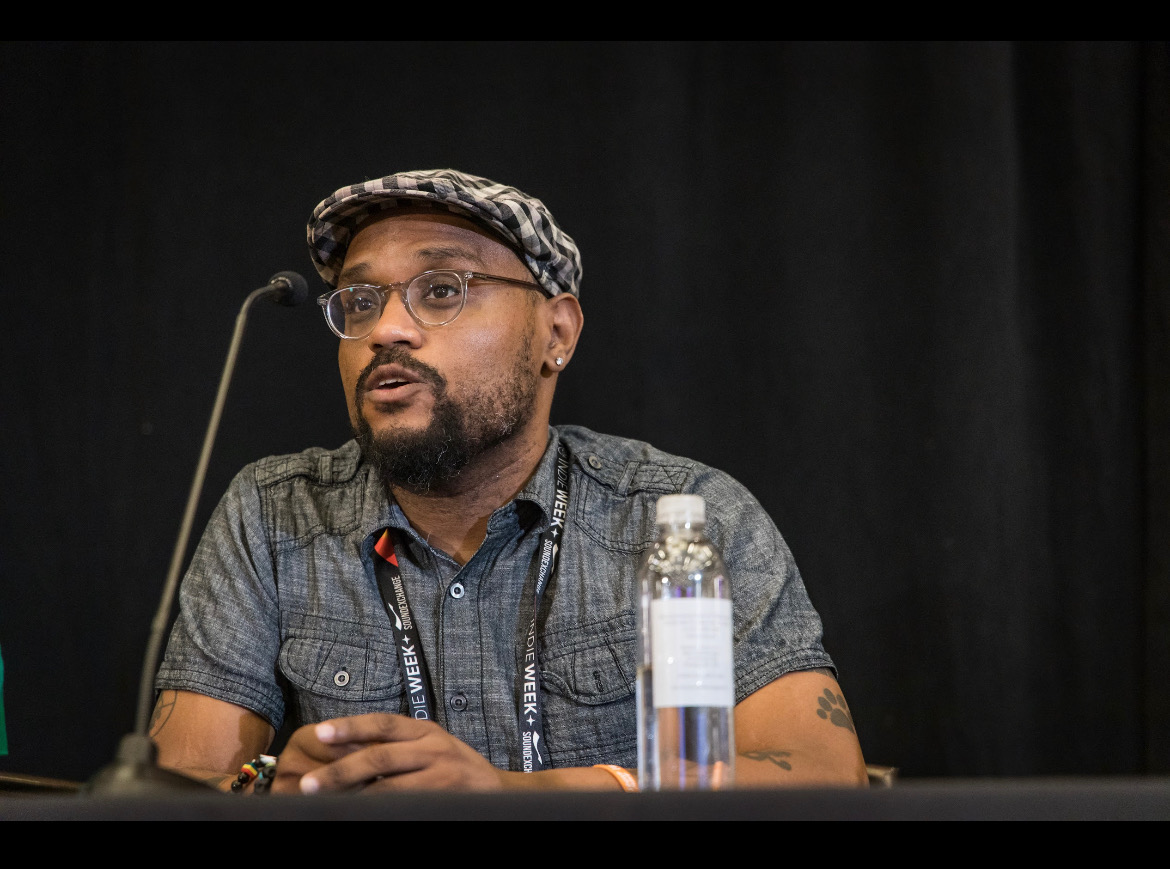
Author and Podcaster
Mike Joseph has been a music obsessive almost his whole life. The New York native was honored by Billboard Magazine in 2020 as a "Pride Power Player", celebrating a career in the music industry that's lasted over three decades. Mike has also worked as a music journalist, a radio announcer, and since 2020 has produced and hosted the podcast "Detoxicity", which shines a light on men's mental health.

Brandy's Biggest Hits: The Playlist That Reminds You Why She Was Everything