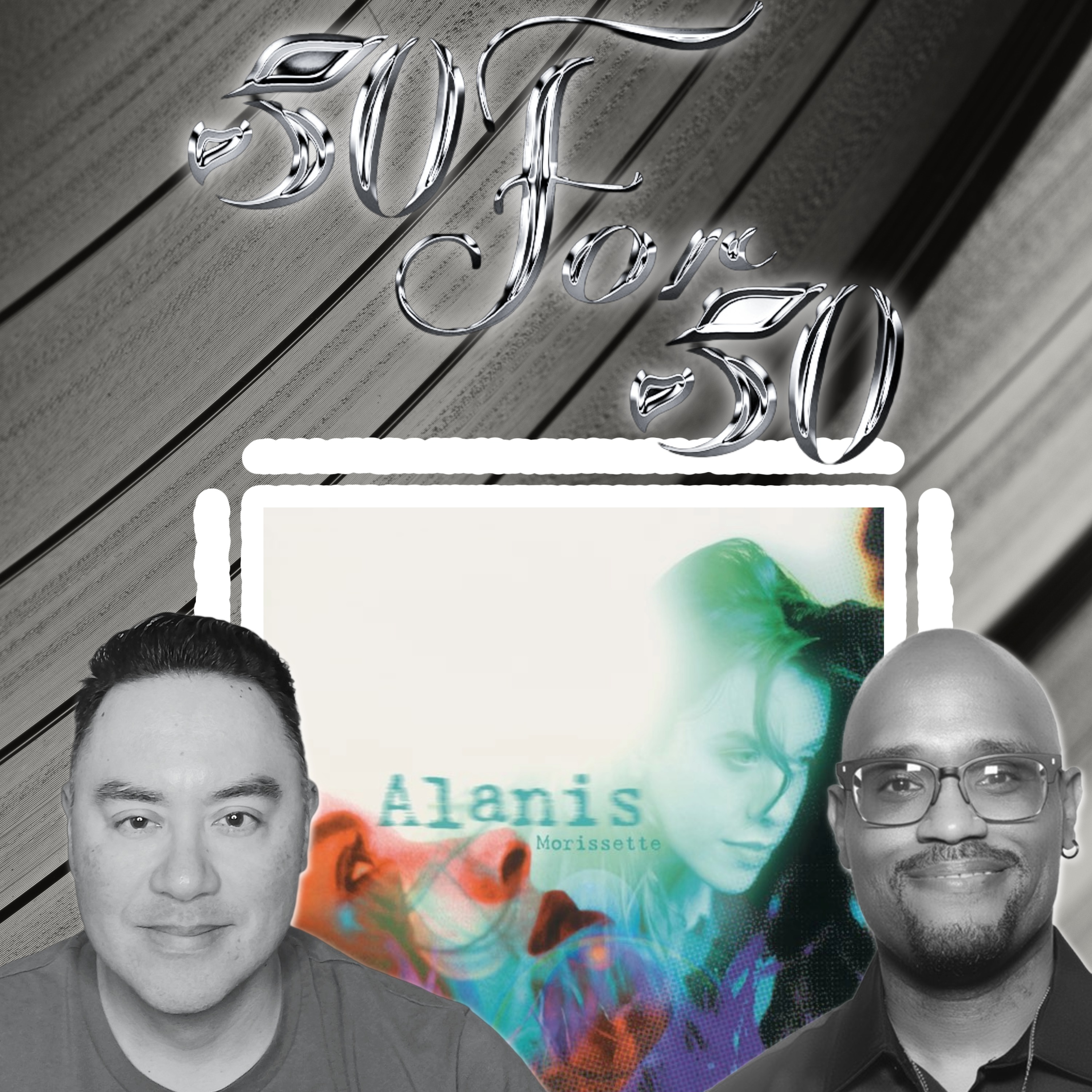
Jagged Little Pill Revisited: How a Canadian Teen Star Rewrote the Alt-Rock Rules (1995)
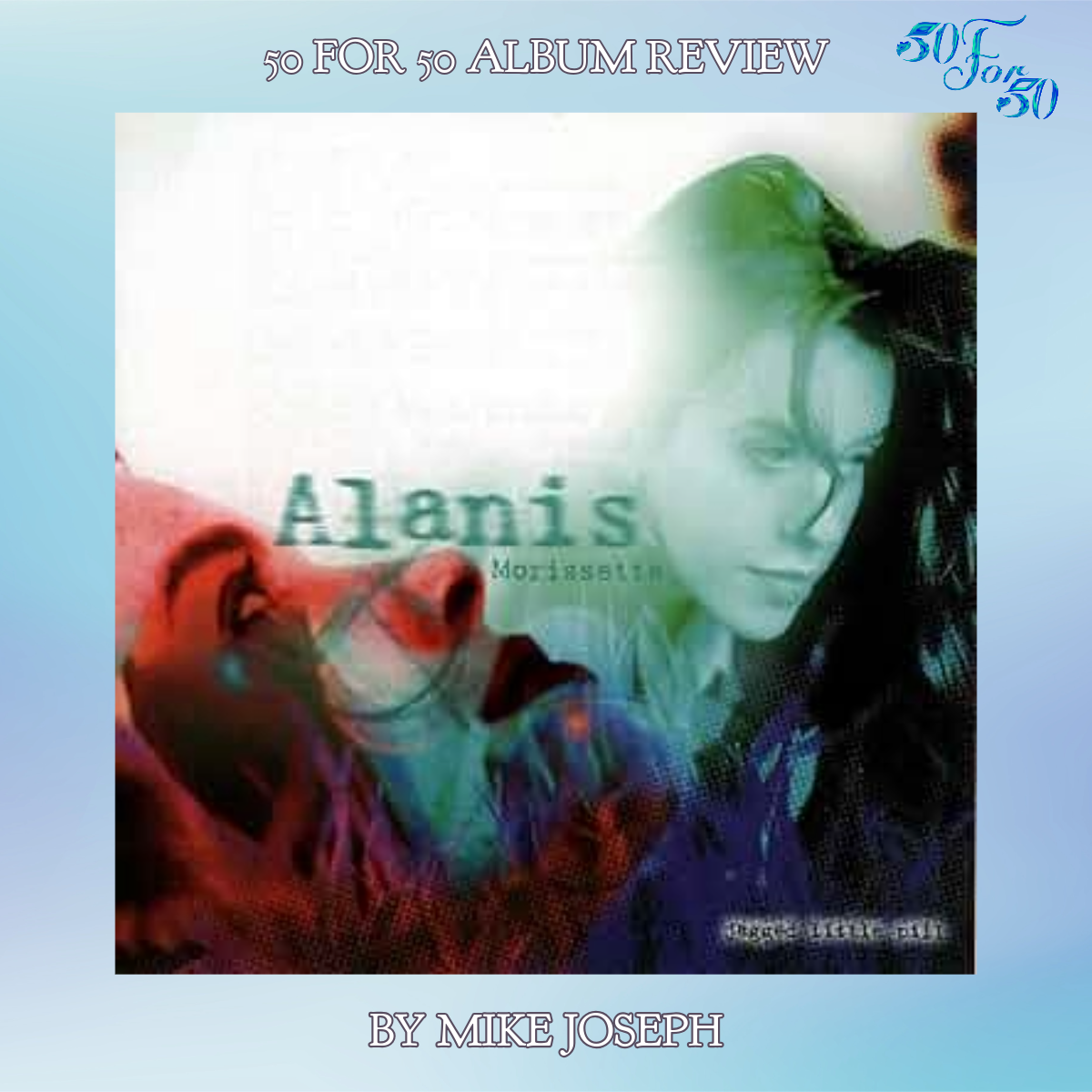
Alanis Morissette’s Jagged Little Pill was one of the ‘90s biggest success stories. Millions upon millions of records sold. The Album of the Year Grammy (in a pretty stacked year for music). Legions of imitators (more on that later). What made this album’s success so unique was that it seemed to have come out of nowhere. How’d this album become the juggernaut it became, and how did Alanis materialize in thin air to become a superstar?
Well, part of the answer lies in the fact that Alanis didn’t exactly come out of nowhere. In the days before media globalization, you could still be a superstar in your native country (even if said country stands just above the US) and an unknown in America. Alanis was already a household name in Canada, having begun her career on Nickelodeon’s kiddie-comedy-variety show “You Can’t Do That On Television” and graduating to dance-pop success as a teenager in the Debbie Gibson/Tiffany vein.
Jagged Little Pill sounds nothing like Alanis's early records. In fact, I wonder if Debbie and Tiffany listened to Alanis’s American debut and wished they’d gotten the chance to make an album like it (and have it accepted as readily). Released mere days after Alanis’s 21st birthday, Pill is as messy as it is accomplished, as pop as it is “alternative,” as mature as it is callow. It played to the same audience artists like Liz Phair and Courtney Love (as part of Hole) were growing while maintaining enough pop smarts to not sound out of place next to Boyz II Men and Céline Dion on top 40 radio.
Some of that pop sheen came from Alanis’s Robin Sparkles-esque past. Some of it also came from Pill’s co-pilot, producer Glen Ballard. Ballard cut his teeth in the Quincy Jones camp, initially coming to fame as the co-writer of Michael Jackson’s “Man in the Mirror” and then dominating pop radio in the early ‘90s as the architect behind Wilson Phillips’ initial run of hits. This connection smoothed out some of the more, ahem, jagged qualities in Alanis’s lyrics, which were wordy in a Joni Mitchell kinda way (Joni even gets shouted out in the lyrics of acapella hidden/closing track "Your House") but with a bite and an aggression that firmly separated Alanis from her Canuck predecessor.
Actually, that’s not entirely fair. The reputation Jagged Little Pill has as an album soaked in piss and vinegar is largely due to the ex-ecoriating lead single “You Oughta Know”. Lyrics about going down on someone in a theater caused a bit of a stir back in the day (hard to imagine anyone raising an eyebrow these days, though). Equally as angry (and rightfully so) is “Right Through You,” in which Alanis speaks on the objectification and misogyny she must have experienced as a teenage girl in the music industry. Clearly, she'd seen and experienced some shit-her writing practically glows with authenticity. Other moments on the album, may not be as immediately attention-grabbing, are just as lyrically and musically strong. The moods range from wry (“You Learn”) to hopeful (“Hand In My Pocket”), while operating within a guitars-and-drum-loops framework that would point towards the sound of “alternative” music for the rest of the decade—well until Kid Rock, Korn and Limp Bizkit ushered in the era of boneheaded and simplistic rap-rock and essentially pushed women out of the format entirely.
Jagged Little Pill’s influence has lingered on, though. Initially, it seemed like record companies were tripping over themselves to sign women artists with odd names–Leah Andreone, Natalie Imbruglia, and Merrill Bainbridge all enjoyed fleeting success with Alanis-esque tunes. Hell, I’d argue that even Janet Jackson’s critically-acclaimed confessional effort Velvet Rope was influenced by Alanis’s breakthrough. These days, it’s very easy for me to hear Alanis’s influence in artists as stylistically disparate as P!nk, Olivia Rodrigo and RAYE. Even Queen of All Media Tay-Tay’s music features hints of a sound that Alanis thrust into the mainstream. And despite the fact that Jagged Little Pill’s music is so imprinted on my psyche that I never feel the need to actively listen to it anymore (I worked in a record store for most of the ‘90s), it doesn’t matter. I still hear echoes of it everywhere.
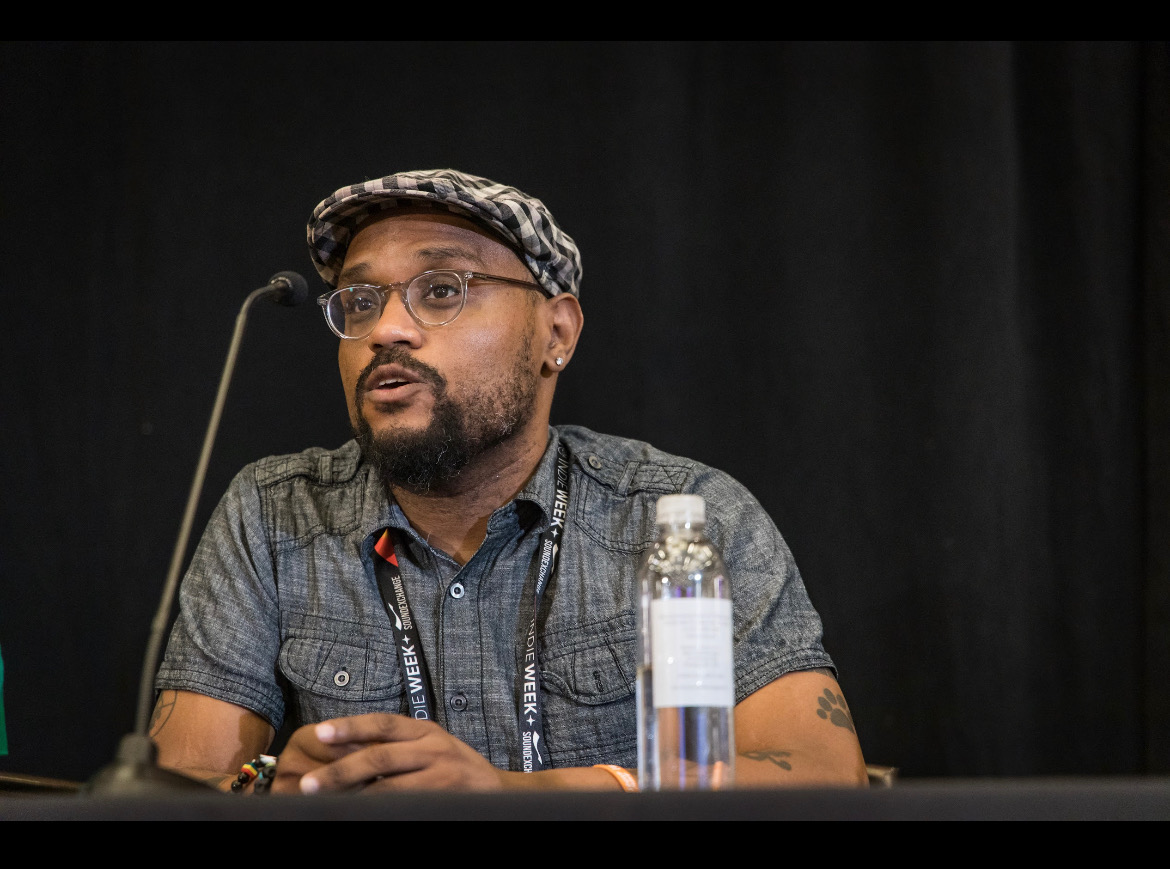
Author and Podcaster
Mike Joseph has been a music obsessive almost his whole life. The New York native was honored by Billboard Magazine in 2020 as a "Pride Power Player", celebrating a career in the music industry that's lasted over three decades. Mike has also worked as a music journalist, a radio announcer, and since 2020 has produced and hosted the podcast "Detoxicity", which shines a light on men's mental health.
Brandy's Biggest Hits: The Playlist That Reminds You Why She Was Everything