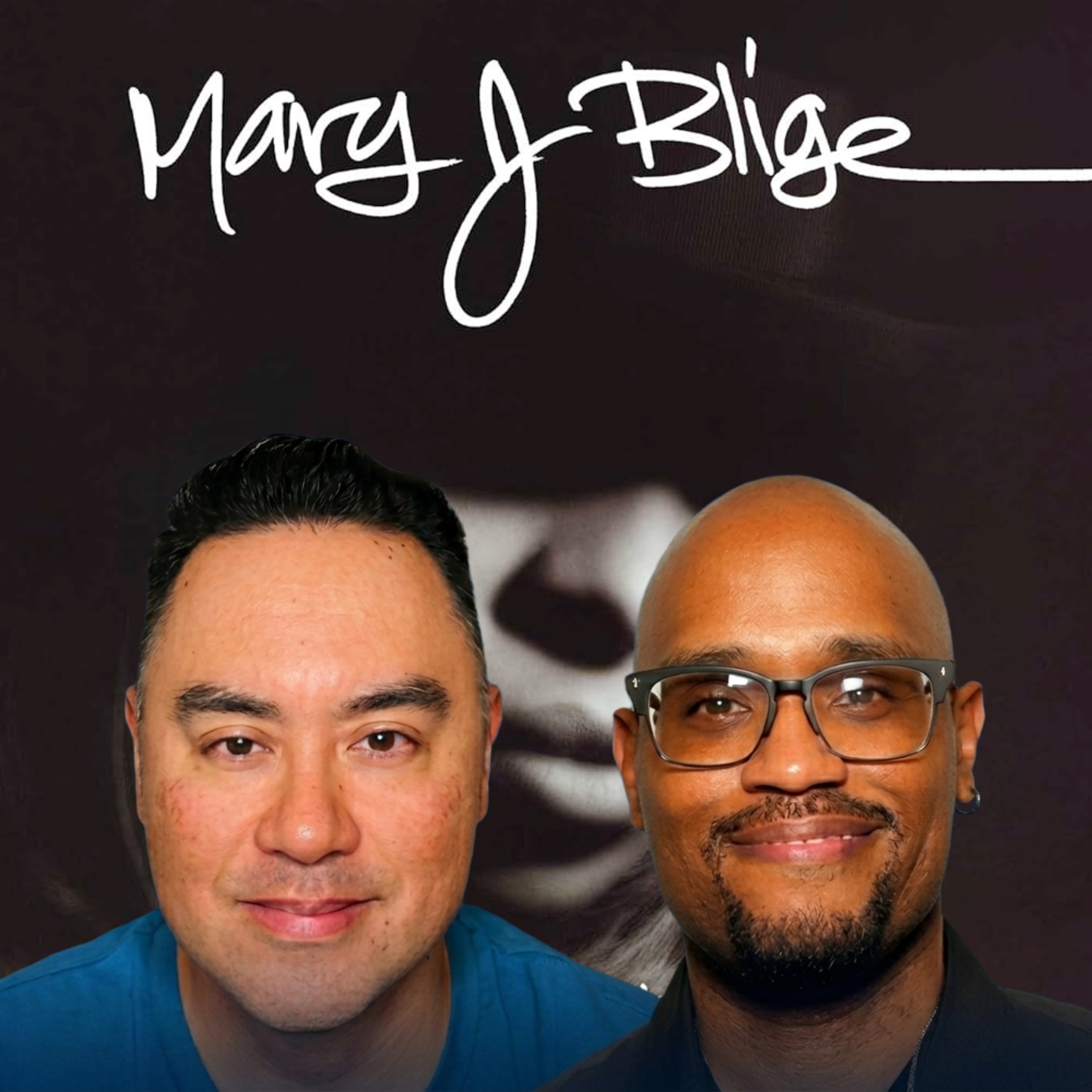
How Mary J. Blige’s 'What’s the 411?' Reinvented Soul Music
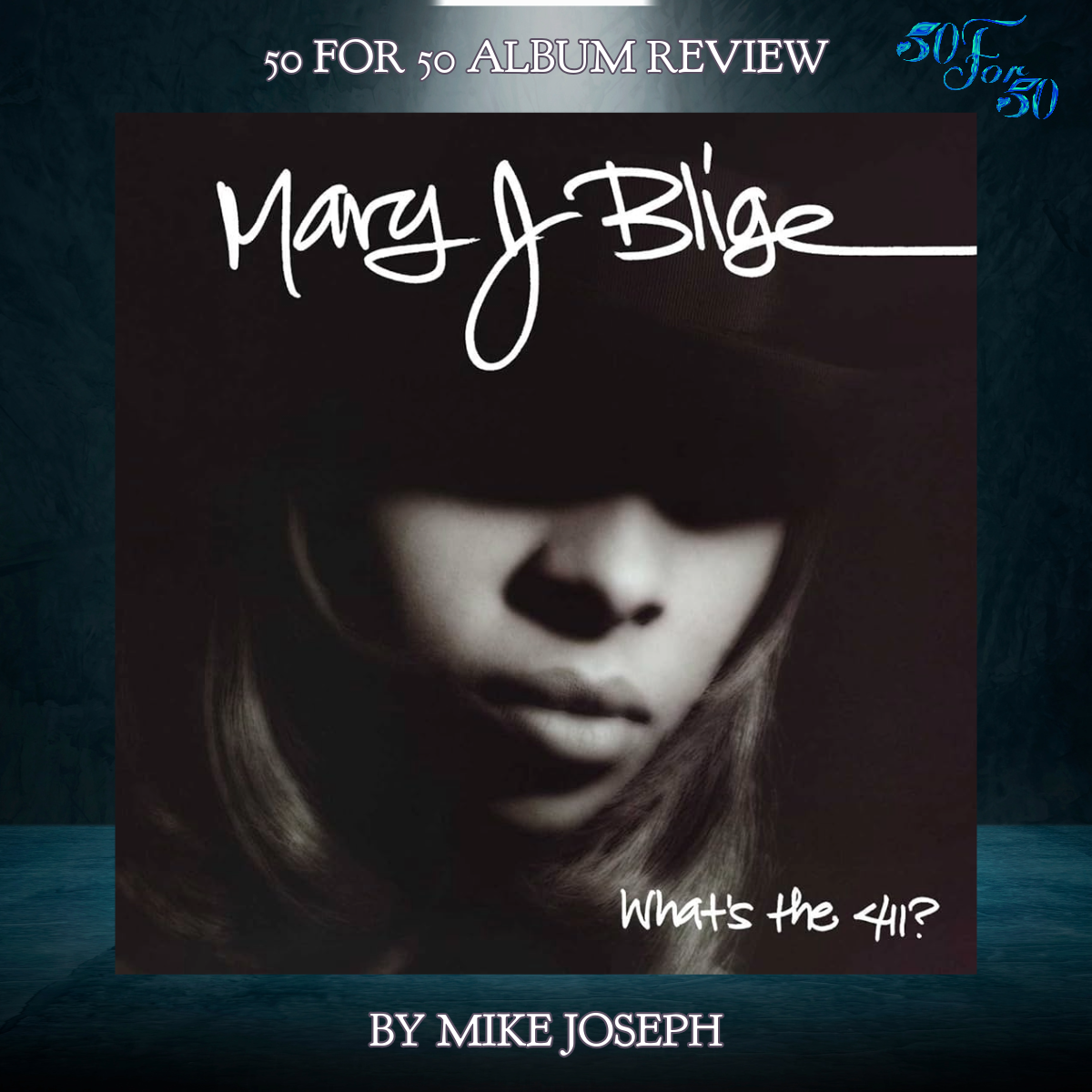
Back in 1990, LL Cool J dreamed about a girl with “a Fendi bag and a bad attitude.” However, Uncle L’s around the way girl didn’t really exist in popular culture. Even in the music world that created that rap classic, female artists fit one of two archetypes: they were either evening-gown types like Anita Baker, or they were dance divas like Janet Jackson (pre-Poetic Justice). With her 1992 debut. What’s the 411?, Mary J. Blige broke the mold and created a new archetype. With her unvarnished vocals and fusion of R&B melodies over hip-hop breakbeats, the Yonkers, NY native reinvented soul music in her image.
Over the course of the last three decades, Mary has cultivated a legendary career as not only a singer, songwriter and actress, but as sort of an emotional barometer for her fanbase (mostly Black women). Her ups and downs are often very present in her lyrics, and that honesty resonates with listeners and gives her albums a level of importance and heft that you don’t get from 411. What you do get is a sharp, concise set of songs that take the rap and R&B fusion Teddy Riley created with New Jack Swing and simultaneously gives the genre a harder and softer edge. The beats (especially on “Real Love” and “Changes I’ve Been Going Through”) crunch instead of swing, while Mary’s vocals project the vulnerability generally associated with female singers while also giving off a don’t fuck with me edge.
While the more hip-hop informed tracks comprise the meat of What’s the 411 (including the title track, on which she actually raps and convincingly goes toe-to-toe with Grand Puba of Brand Nubian), there are more than enough moments on the album that fall in line with traditional R&B. “I Don’t Want to Do Anything” is an aching duet with Jodeci’s K-Ci Hailey. The two were an item at the time, and there’s an obvious romantic tension simmering throughout the song. The vibe cools down for the jazzy standout ‘Love No Limit.” Mary was discovered via a cover of Anita Baker’s “Caught Up in the Rapture,” and this song would’ve fit perfectly on one of Anita’s own albums.
I’m not gonna lie and say that back in the early ‘90s, I thought What’s the 411 would be a game-changing album. I knew that I liked the songs and the singer and consequently I wore the tape out not thinking that it (and Mary) would be part of the cultural conversation 35 years later. But here we are. Little did we know the monster that would be unleashed, right? Mary (and a list of songwriters and producers including the late, great Kenny Greene whom I would be remiss in not mentioning) seamlessly fused classic soul with future beats and set the stage for the next three decades of music.
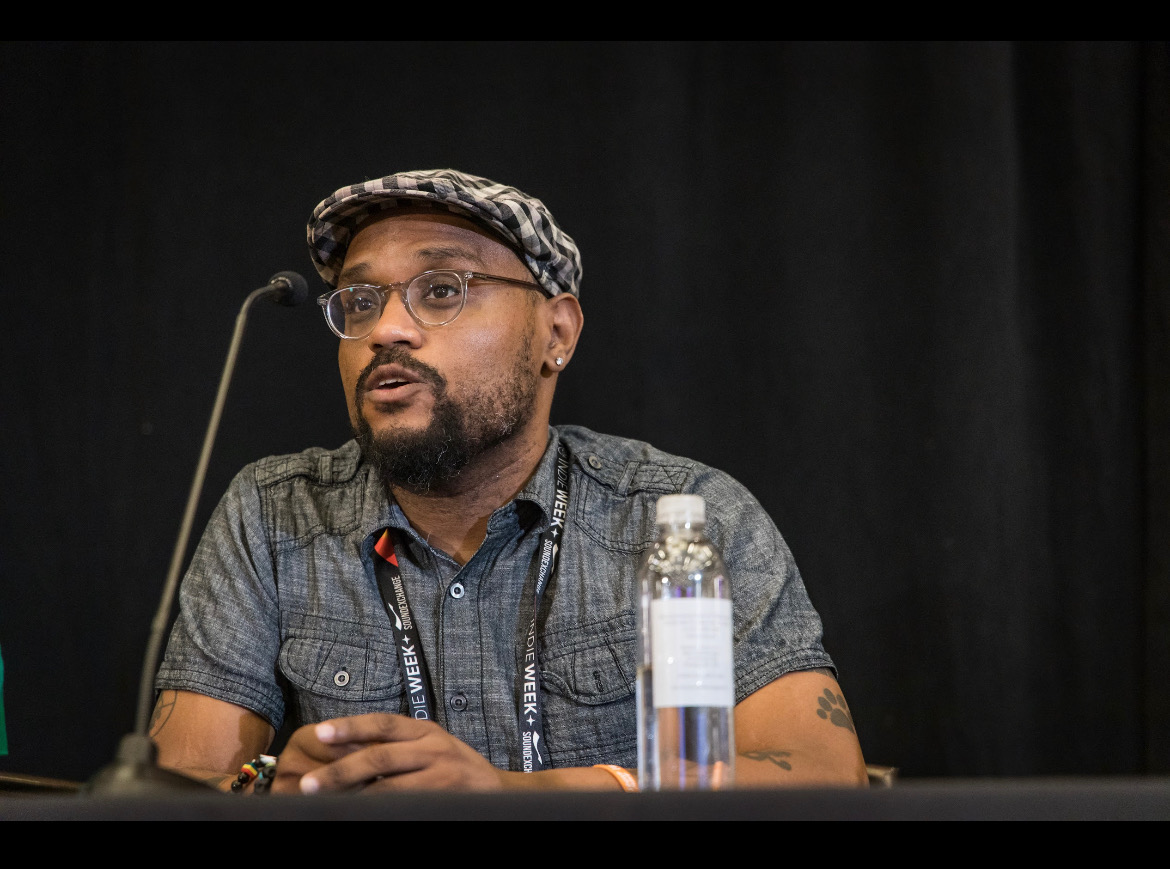
Author and Podcaster
Mike Joseph has been a music obsessive almost his whole life. The New York native was honored by Billboard Magazine in 2020 as a "Pride Power Player", celebrating a career in the music industry that's lasted over three decades. Mike has also worked as a music journalist, a radio announcer, and since 2020 has produced and hosted the podcast "Detoxicity", which shines a light on men's mental health.
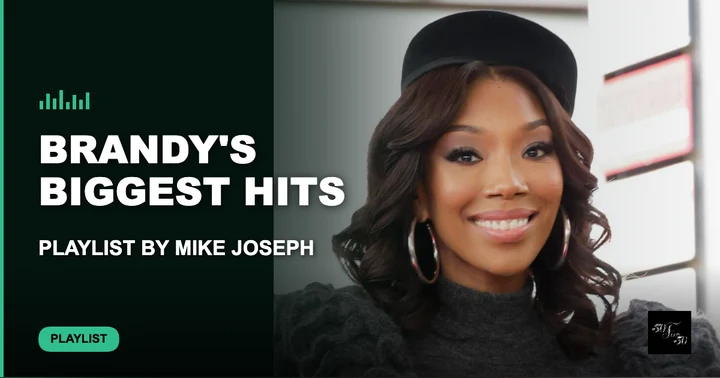
Brandy's Biggest Hits: The Playlist That Reminds You Why She Was Everything