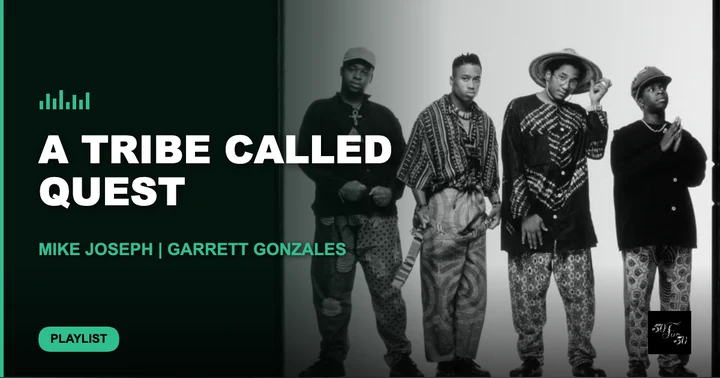
A Tribe Called Quest: The Low End Theory Review — 5 Reasons It Still Reigns Supreme
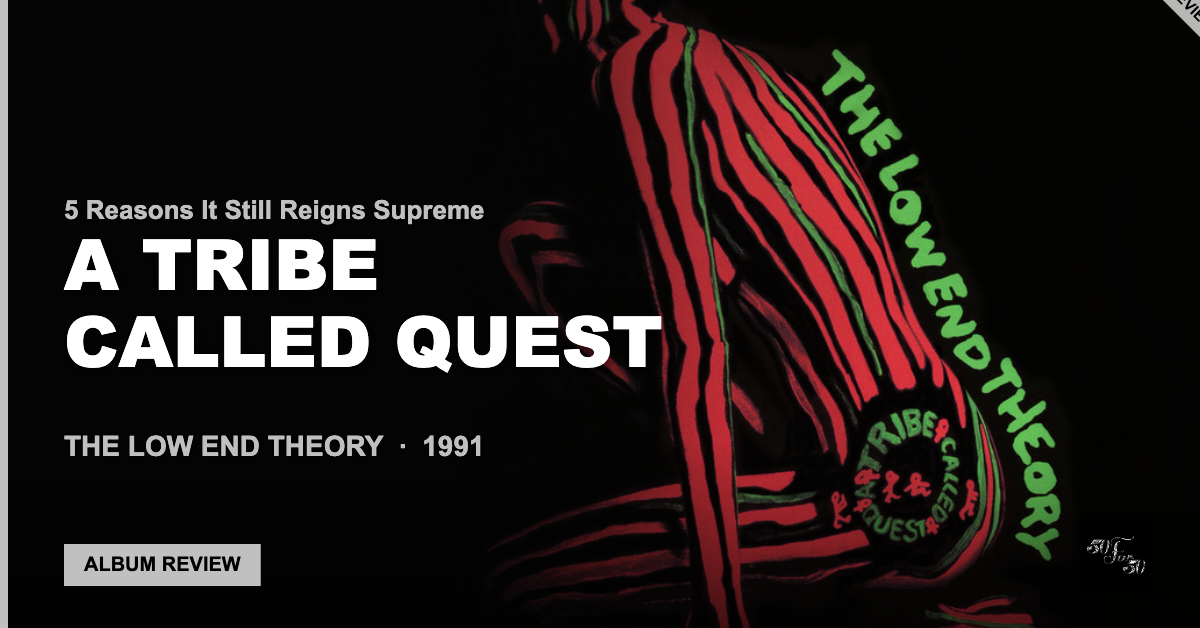
A Tribe Called Quest’s The Low End Theory is consistently lauded as one of the greatest hip-hop albums of all time. I certainly regard it as a high water mark for its era, even though it’s not even my favorite Tribe album. Here are five reasons why The Low End Theory gets the props it rightfully deserves.
What sophomore jinx?
What’s the saying? You have your whole life to make your first album, and each subsequent album captures only a year or two (sometimes even less) in between. If your debut album is a success, the pressure to match or succeed the high water mark you’ve spent your whole life leading up to increases exponentially. Tribe’s 1990 debut, Peoples Instinctive Travels (I’m not typing the whole title) was critically acclaimed and sold relatively well for a non-commercial hip-hop debut. There may have been expectations surrounding The Low End Theory at the artist and maybe even the label level, but Tribe succeeded by expanding on the things that made their debut great and expanding their musical vocabulary, as opposed to making Instinctive Travels part 2. Sure, Tribe was a part of the Native Tongues collective. The Low End Theory advanced them past the “D.A.I.S.Y.” age and into their own realm.
Who’s That Other Guy?
Q-Tip is the primary emcee on Tribe’s debut, and what immediately stood out to me after my first couple of listens to The Low End Theory is that Phife Dawg bought in and brought his “A” game to the project. He, his wit, his interplay with Tip–those things were the “X” factor that turned ATCQ from a playoff contender to championship material. I feel like Phife would appreciate the usage of sports metaphors here.
September 25th, 1991–what a day
If you’re not a fan of music, it was probably an ordinary Tuesday. Hell, for most popular music listeners at that time, it wasn’t a particularly interesting day for new releases. However, three albums came out that-while not immediate hits-shifted the axis of popular music. Nirvana’s Nevermind brought grunge to the mainstream, popularizing Gen X angst on record. Four months after its release, it was the Number One album in the country. The Red Hot Chili Peppers’ breakthrough album, Blood Sugar Sex Majik, gave a pop sheen to their funk/rock sound courtesy of former hip-hop producer Rick Rubin. The result elevated both their careers. And then there was The Low End Theory. It’s sold the least of those three albums, but may end up being the most critically well-regarded. And unlike Nirvana and the Peppers, Tribe achieved Platinum sales on this album with damn near no airplay–on top 40 or urban radio.
Jazz-rap? Kinda. The birth of Neo-soul? Kinda.
Bassist Ron Carter appears on Low End Theory (perhaps the first well-regarded musician from his genre to appear on a rap record). There are plenty of samples from jazz records. Hell, one of this album’s biggest hits was called “Jazz (We’ve Got).” But is The Low End Theory jazz-rap? I don’t know. That feels a bit reductive. And truthfully, Low End has as many jazz samples as Tribe’s debut, which isn’t considered jazz-rap. So I don’t know what to make of all that, except to say that the album does have a distinctive sound. Some of that is the vocal interplay between Q-Tip’s voice (nasally, deep, calm) and Phife’s voice (high pitched, excitable). Some of it has to do with the production and engineering (props to the recently departed Bob Power). Sure, it’s jazzy, but it’s also warm, soulful and has that boom-bap to make your neck snap. Power, Tip and his Tribe-mates created a sound that would reverberate through the next 20 years of hip-hop and R&B music, setting the stage for what is now considered neo-soul (probably also a reductive term). In the immediate, albums like Tony! Toni! Toné’s Sons of Soul and Meshell Ndegeocello’s amazing debut Plantation Lullabies (engineered by Power) don’t exist as they are today without The Low End Theory. Expand that out further. D’Angelo? Erykah Badu? The Roots? All owe a debt to the template set by this album.
It’s a damn good album.
Period. Low End Theory is the sound of two dudes (and some friends) rapping their asses off. It’s the sound of a band discovering themselves and taking creative leaps forward in real time. It’s a throwback (the literal first track, “Excursions” finds Tip discussing hip-hop with his dad, comparing it to older music, and using Bobby Brown as the evolutionary Michael Jackson to make its point) and is forward-seeking at the same time. “Check The Rhime” is an old-school routine given new-school gloss. The quotables on the album are insane. “Scenario” unleashed Busta Rhymes on the world and remains the greatest posse cut in hip-hop history. And to think that (in my opinion yet) Tribe hadn’t even reached their creative apex yet! My thoughts on Midnight Marauders being the superior work aside, The Low End Theory is a high mark for Tribe, for hip-hop, and for music in general. It’s an indispensable part of my music collection and should hold the same value for any and everyone.
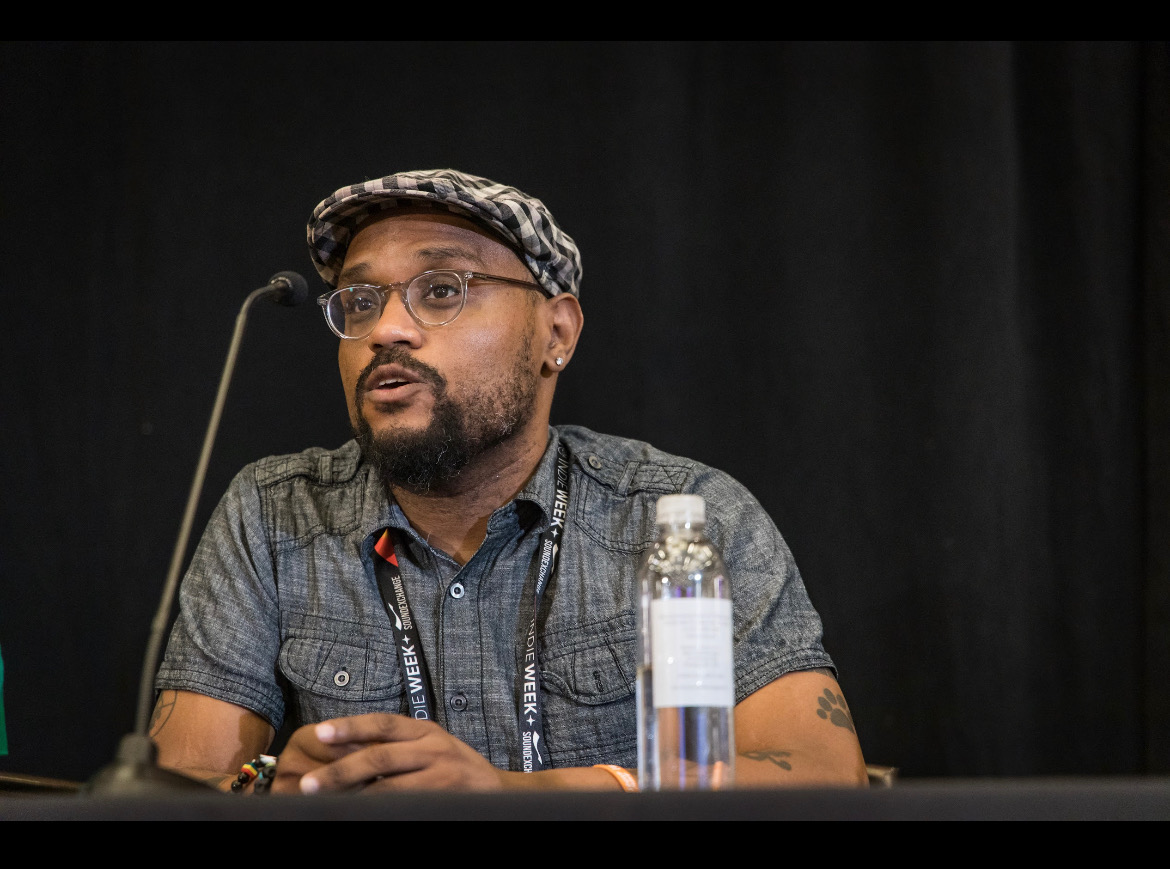
Author and Podcaster
Mike Joseph has been a music obsessive almost his whole life. The New York native was honored by Billboard Magazine in 2020 as a "Pride Power Player", celebrating a career in the music industry that's lasted over three decades. Mike has also worked as a music journalist, a radio announcer, and since 2020 has produced and hosted the podcast "Detoxicity", which shines a light on men's mental health.
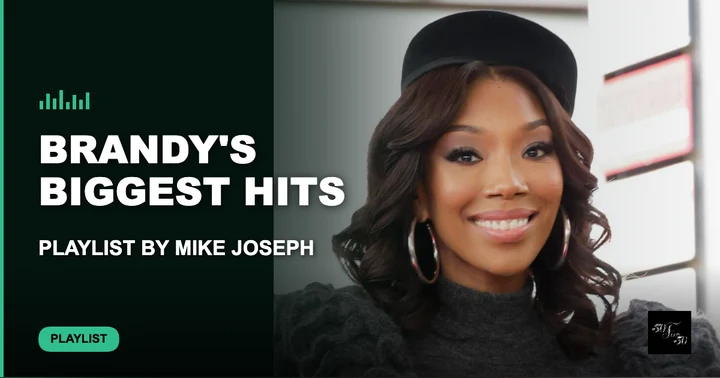
Brandy's Biggest Hits: The Playlist That Reminds You Why She Was Everything